Composition and the Power of Empty Space
Understanding negative space
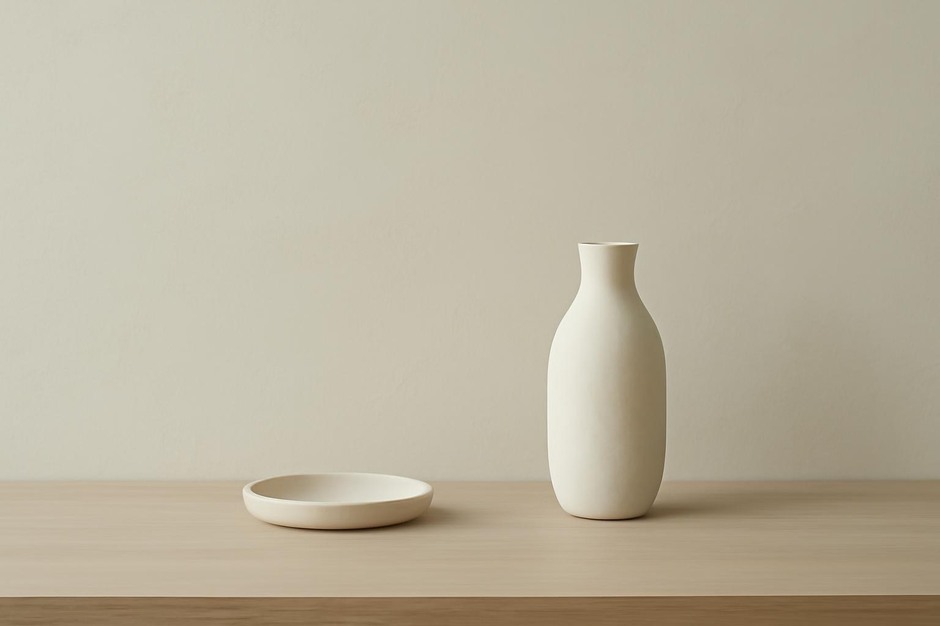
Negative space is the area around and between subjects. It is not merely background; it shapes how we perceive form, scale, and rhythm. Using negative space intentionally gives images breathing room and clarifies relationships between elements.
Start with a simple block-in
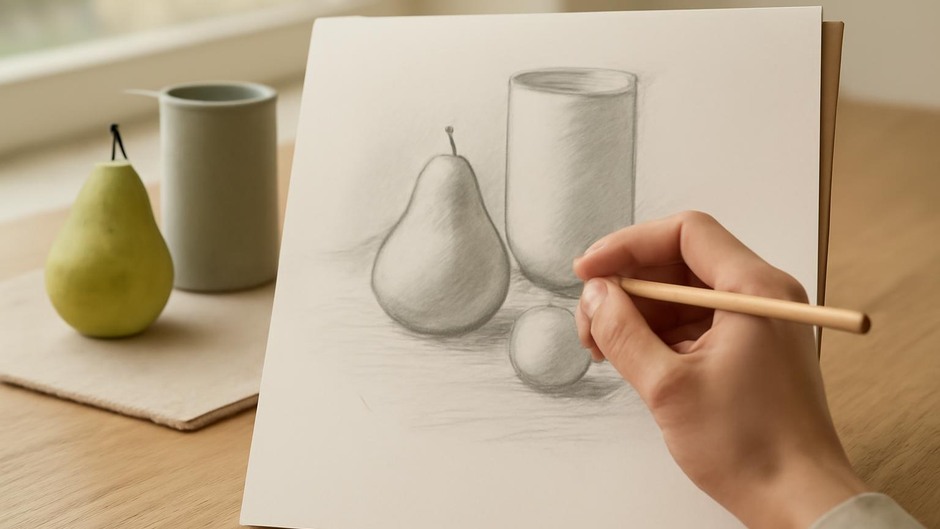
Begin a composition by blocking the largest areas of light and dark. This early step clarifies the major masses and the empty spaces that separate them. A strong block-in often reveals compositional tensions before details are added.
Use emptiness to create focus
Reducing detail in surrounding areas directs attention toward the focal point. For example, a sharply rendered subject against a subdued or spacious background naturally becomes the centre of interest. Consider what you remove as carefully as what you add.
Balance and asymmetry
Perfect symmetry rarely creates compelling visual interest. Asymmetrical balance—where a small, dense object counterbalances a larger, lighter shape—often feels more dynamic. Pay attention to visual weight: darker tones, richer textures, and sharper edges carry more weight than pale, soft areas.
Rhythm and repetition
Empty space can create a rhythm that guides the eye. Repeating intervals of space between elements can produce a steady cadence, while irregular spacing can convey movement or tension. Use these rhythms deliberately to influence how a viewer moves through the image.
Respect the margins
Allowing generous margins around subjects often improves clarity. Crowding elements at the edge of a page can create discomfort unless it is a deliberate choice. Leaving room to breathe helps the composition feel considered and stable.
Iterative thumbnails
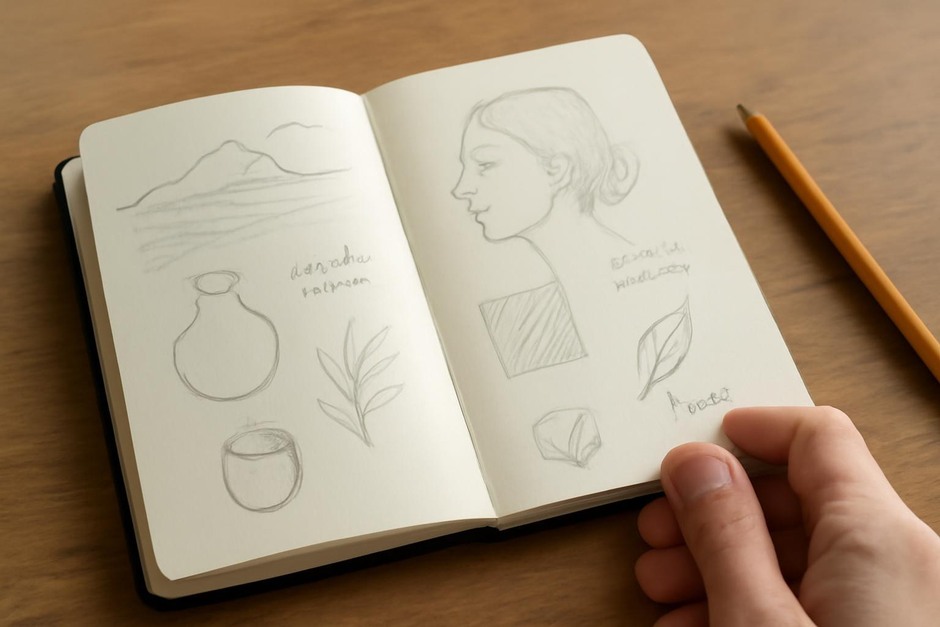
Make small thumbnail sketches to explore spatial arrangements quickly. Thumbnails let you test scale, negative space, and focal placement before committing to a larger work. Try several thumbnails that shift the subject slightly and compare which uses empty space most effectively.
Scale and proportion
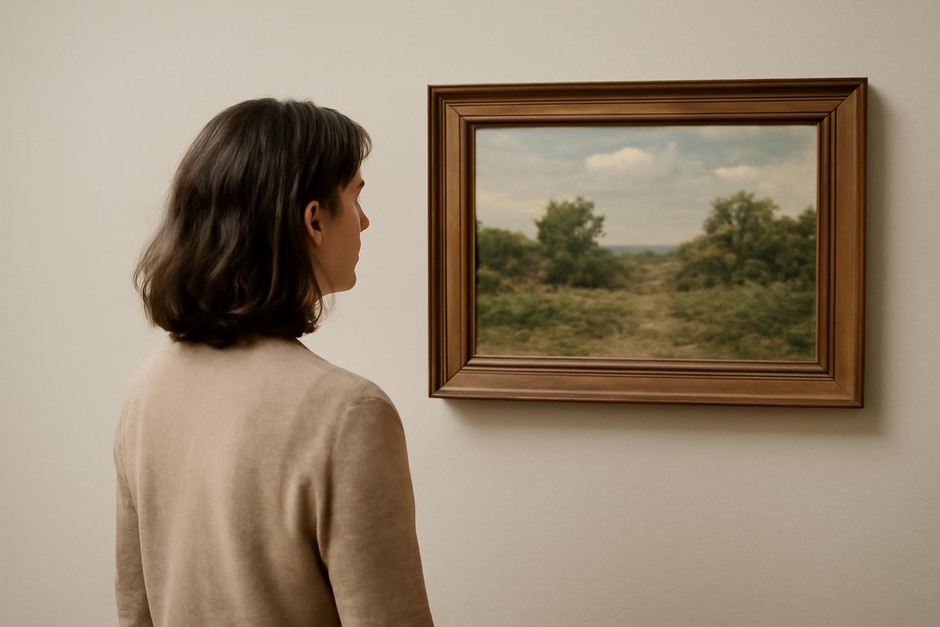
Negative space also communicates scale. A small object in a vast empty area reads as isolated, while the same object in a crowded space reads as intimate. Consider how the size of open areas contributes to the story you want to tell.
Practice restraint
Composition benefits from knowing when to stop. Overworking surrounding areas can steal focus and muddle relationships. A restrained approach respects the power of suggestion: sometimes a hint of texture or a soft edge is more effective than full detail.
Using negative space thoughtfully is a practical way to improve composition. It clarifies hierarchy, creates calm, and strengthens the visual logic of an image. With practice, the eye learns to shape empty space as deliberately as it shapes form.