Training the Observational Eye
Observation as a skill
Seeing is a practiced skill, not only a passive reception of information. By training the observational eye you refine the capacity to notice subtle relationships of light, edge, colour, and proportion. The following exercises emphasize repeatable habits that build visual acuity over time.
Measure with your tools
Using a pencil or a viewfinder to take visual measurements is a basic but powerful habit. Hold the pencil at arm’s length and compare angles and proportions between parts of the subject. Mark those relationships in your sketch as a set of constraints. Over time your visual sense of proportion becomes more reliable.
See in values
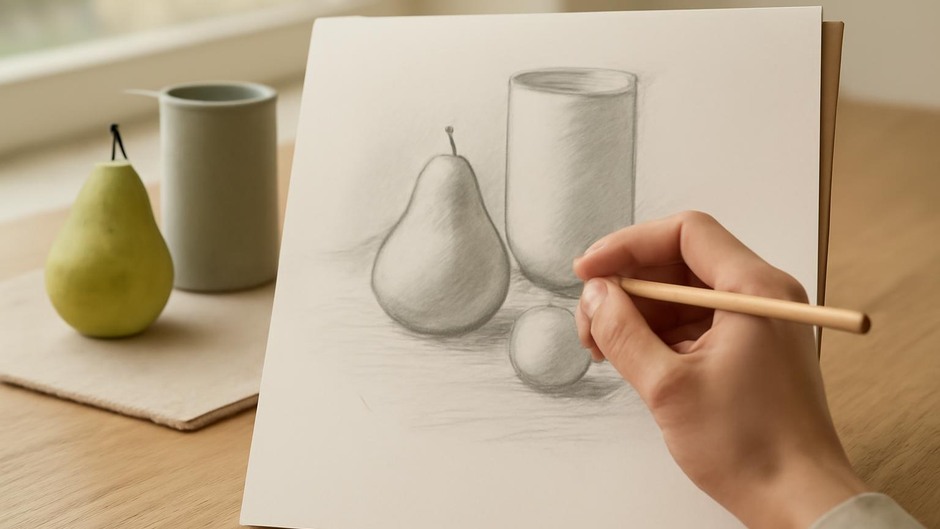
It is often easier to understand form through value (light and dark) than through colour. Practice converting a scene into three tones: dark, mid, and light. Simplifying in this way trains you to recognize major planes and the way light wraps around forms. These three-value sketches are fast, clarifying exercises that reveal structure without detail.
Edge control
Edges communicate distance and focus. Sharp edges read as closer or more important; soft edges suggest atmosphere or recession. Practice making drawings where you intentionally vary edge quality to describe depth. Ask: which edges do I sharpen, which do I blur, and why?
Time-limited sketches
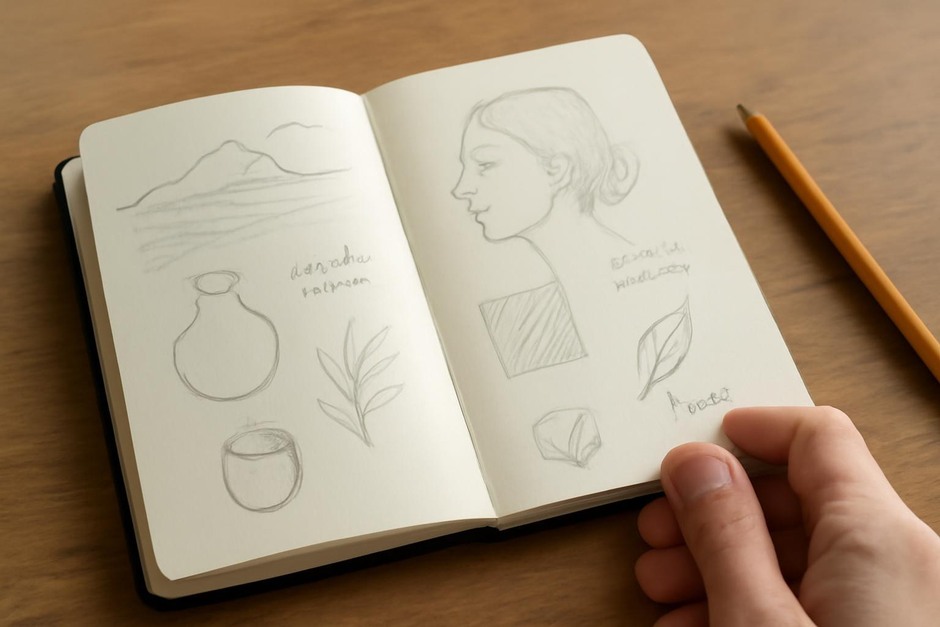
Short timed studies force you to prioritize. Spend five minutes on a quick gesture, ten minutes on a value study, and thirty minutes on a careful observation. The rhythm of varied durations helps you recognize which elements are essential and which are incidental.
Practice selective detail
Observation does not mean equal attention to all parts of a subject. Train yourself to choose focal areas and render them with more care while keeping surrounding areas spare. This selective approach strengthens compositional clarity and teaches you how to lead a viewer’s eye.
Record and compare
Keep dated examples of similar subjects: several drawings of the same chair, tree, or head from different days and light conditions. Comparing these drawings reveals progress and recurring challenges. It also builds a visual archive of how subtle changes in light and viewpoint alter form.
Slow observation sessions
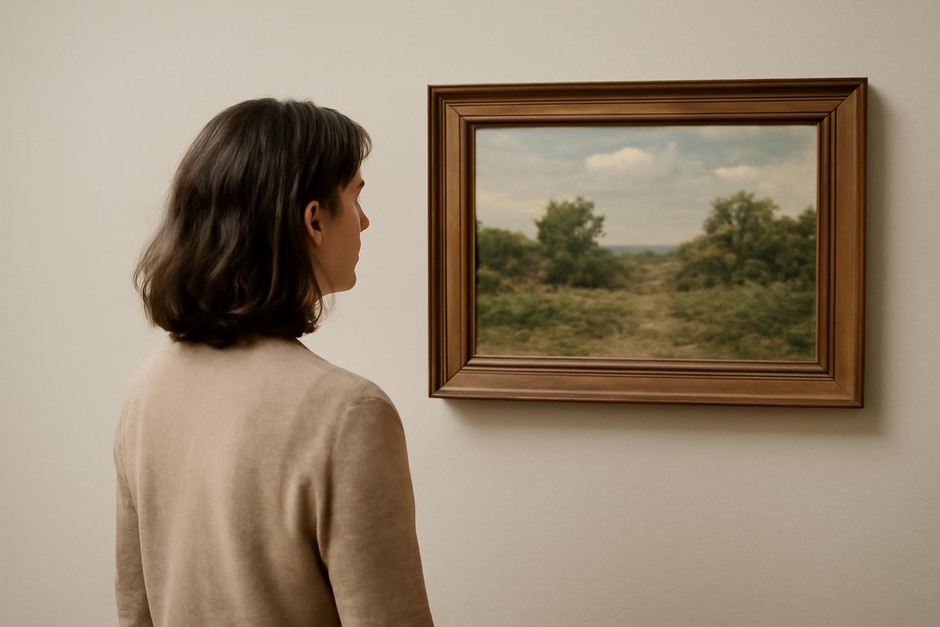
Complement quick studies with occasional slow looking. Spend an hour observing a single complex subject without drawing for the first twenty minutes. Notice minute details, rhythms, and internal relationships. Then draw. Slower observation trains patience and deepens the visual memory you bring to the page.
Consistent application of these simple exercises gradually sharpens how you see. The key is repetition tempered with curiosity: return to the same subjects, vary the conditions, and focus on particular aspects of perception until they become second nature.