Reading Images: Practical Approaches to Visual Culture
Look beneath the surface
Reading an image carefully is a skill that combines attention to detail with simple contextual questions. Images are made choices: medium, composition, colour, and scale. Paying attention to those choices reveals the work’s methods and meaning.
Ask basic descriptive questions
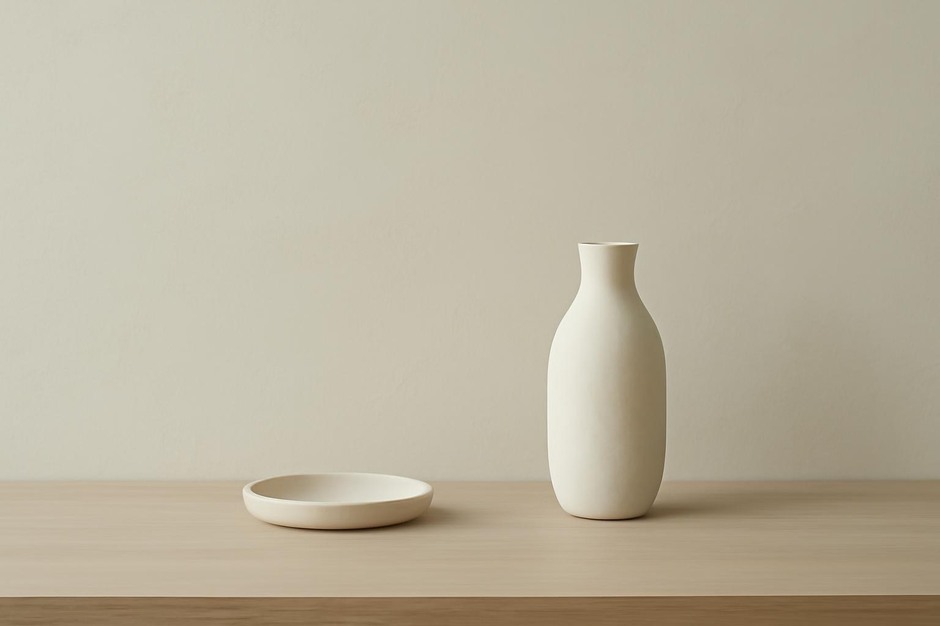
Begin by describing what you see without interpreting. Note the medium, the marks, and the basic composition. Where are the focal points? What is the largest shape? Which areas are left empty? This descriptive phase grounds subsequent analysis.
Consider material and technique
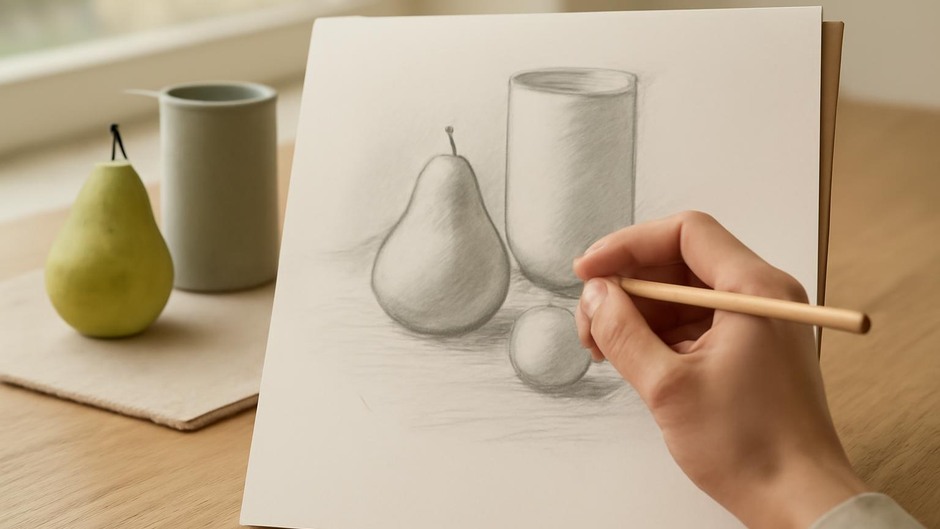
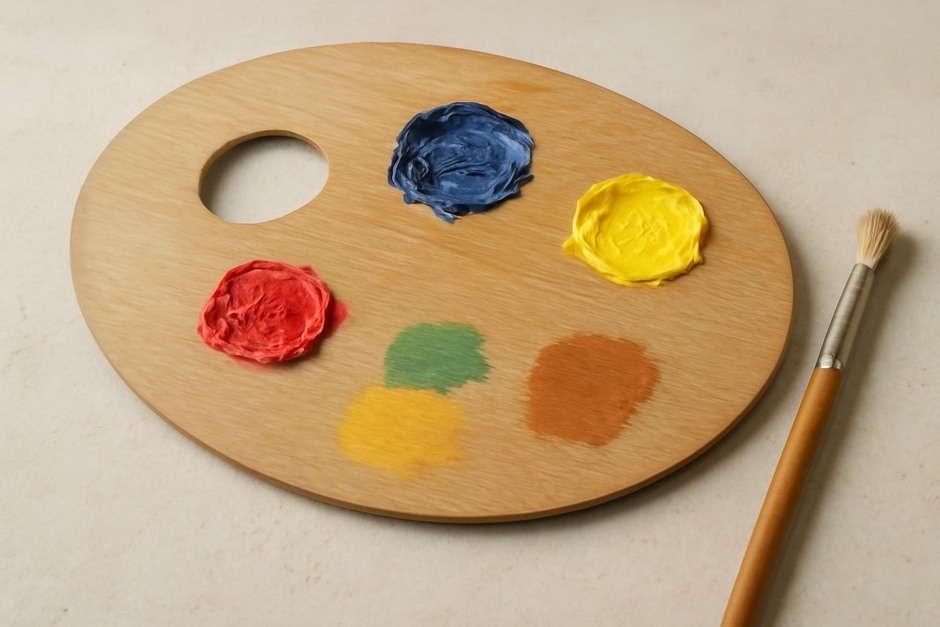
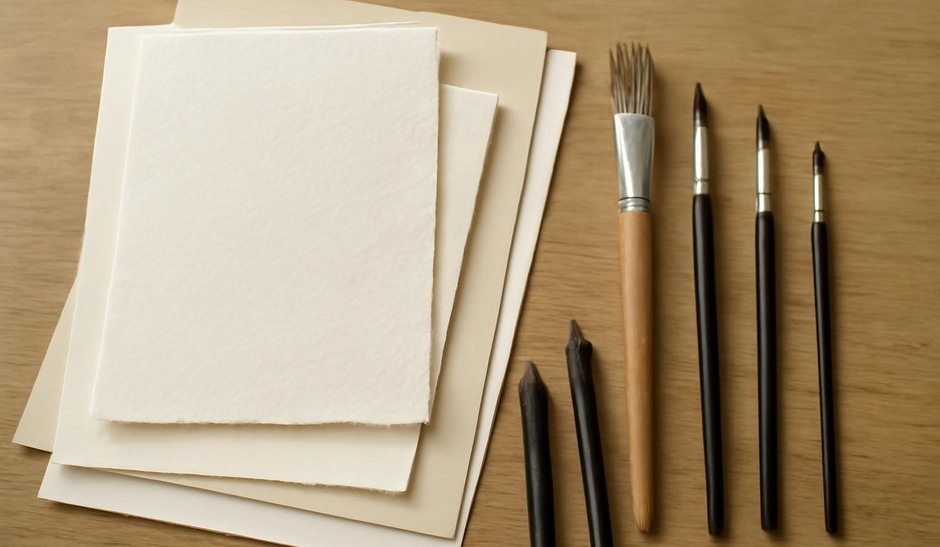
The way an image is made matters. Brushwork, paper texture, print quality, or pixelation each contribute to the image’s character. Ask how the chosen materials shape the viewer’s response. Rough, visible marks can feel immediate; smooth, precise rendering often feels controlled.
Note compositional strategies
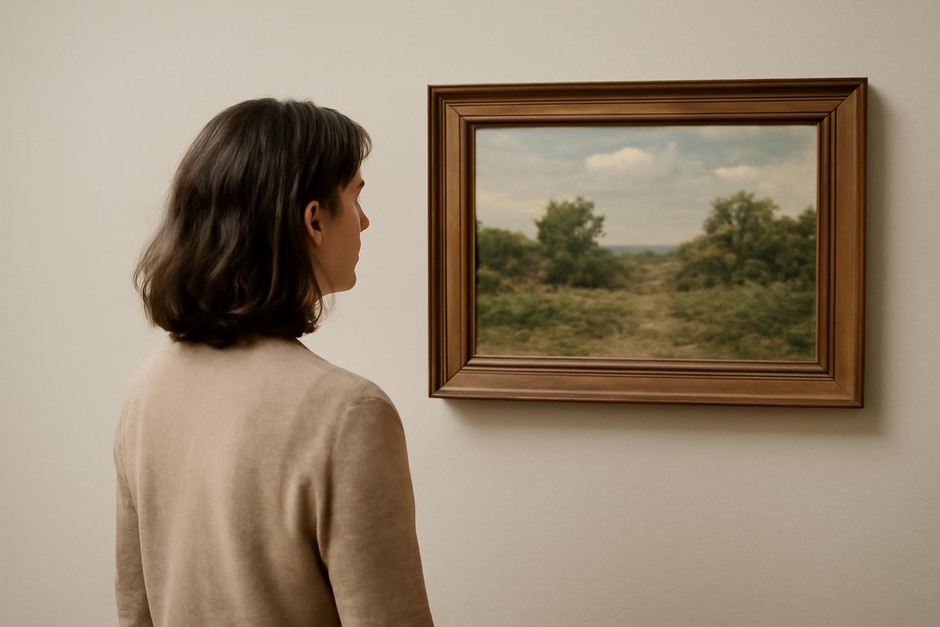
Identify the devices the maker used to guide attention: contrast, repetition, leading lines, and framing. How does the composition balance elements? Where does the eye start and where does it end? Tracing that path reveals the image’s visual logic.
Temper context with observation
Context enriches understanding. Knowing when or where an image was made, its intended audience, or its purpose can change how you read it. However, always return to the visual evidence. Let the image speak through its marks before anchoring your reading in external context.
Look for decisions, not secrets
An image is the result of innumerable small choices. Seek to identify those choices rather than assume hidden meanings. For instance, note why the artist left a margin blank, chose a washed background, or repeated an element. These choices are often practical and expressive at once.
Create comparative studies
Comparing similar images highlights variations in approach. Place two prints, photographs, or paintings side by side and note differences in crop, colour, and focus. Comparative looking sharpens your sensitivity to subtle shifts and clarifies how small decisions alter meaning.
Build a modest archive
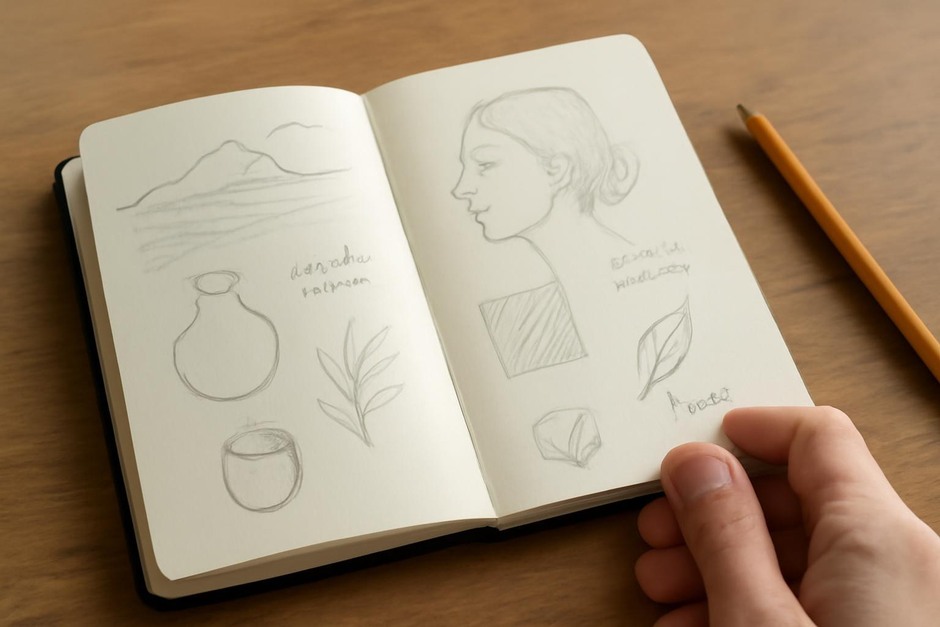
Collect small visual notes: clippings, photographed details, or quick thumbnails of images that interest you. Organize them by theme or technique. Over time this archive becomes a reference library for composition, colour, and mark-making strategies you can reuse in your own work.
Practice reflective viewing
After studying an image, write a few lines about what you learned and what surprised you. This short reflection helps consolidate visual lessons and encourages intentional application in your own practice.
Reading images with care is a practical habit that enriches both making and looking. It trains you to identify decisions, appreciate craft, and bring clearer judgment to the images you create and encounter.